
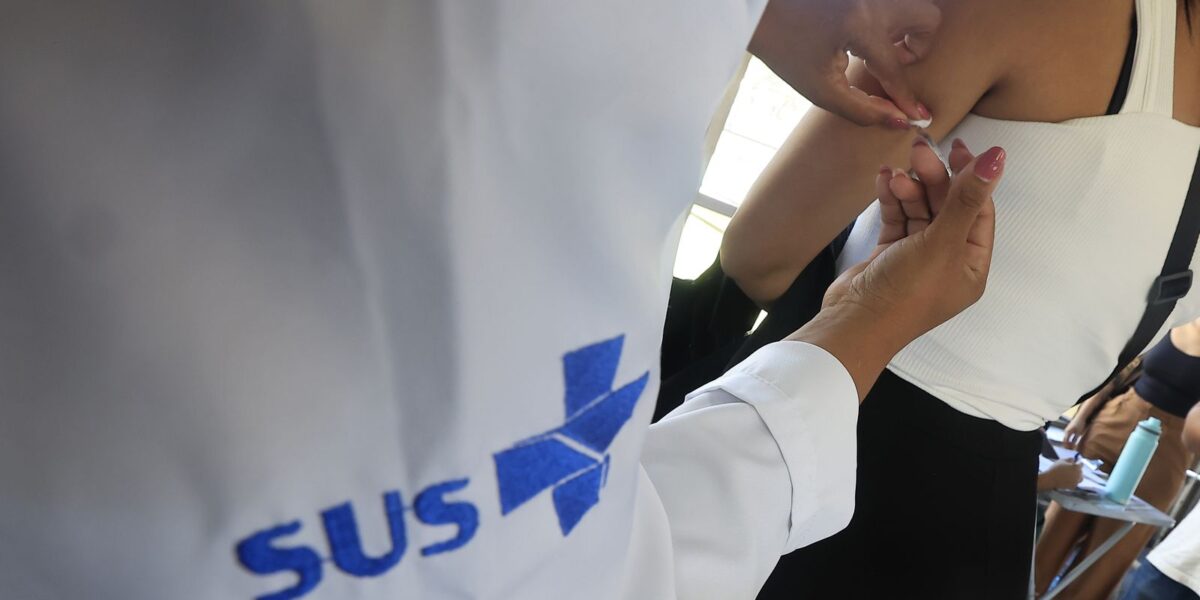
Recent changes to the U. S. vaccination schedule, driven by anti‑vaccine rhetoric from the Trump administration, have contributed to the worst measles outbreak in the country in over thirty years, with more than 4,400 confirmed cases and three deaths. Nearly all infected individuals (98%) were not fully vaccinated, highlighting the impact of denialist discourse on public health.
Impact on Brazil
Brazilian National Immunization Program director Eder Gatti warns that the U. S. regression threatens the entire continent. Brazil, still certified as measles‑free, faces pressure as imported cases rise; 61 cases have been recorded this year, most of them imported. Maintaining high coverage—currently around 95% for the first dose and 80% for the second—remains essential to protect vulnerable populations.
Policy shifts and public trust
In August, the U. S. reduced the recommended number of childhood immunizations from 17 to 11 and proposed splitting the combined measles‑mumps‑rubella (MMR) vaccine into three separate shots—a move lacking scientific basis and causing confusion. Brazilian experts stress that mixed messages erode confidence, which is crucial for successful vaccination campaigns.
Response and vigilance in Brazil
Brazil’s health authorities have acted swiftly, deploying millions of extra vaccine doses in high‑risk states such as São Paulo and Amazonas, and reinforcing surveillance to isolate cases and conduct community immunization drives. Maintaining a 95% coverage threshold is vital to sustain herd immunity and prevent resurgence.
Disinformation and global repercussions
Although Brazil has not adopted Trump’s policies, the spread of misinformation—such as the debunked link between vaccines and autism—continues to influence public perception worldwide. Experts warn that complacency, fueled by the success of vaccination programs, can lead to dangerous gaps in immunity.
📰 Leia a notícia completa em: Agência Brasil (EBC) »